

Low-Level Light Therapy
Advanced Light Therapy for Healthier Eyes
Gentle light therapy that stimulates cellular repair, improves gland health and enhances eye comfort.
Scroll to Discover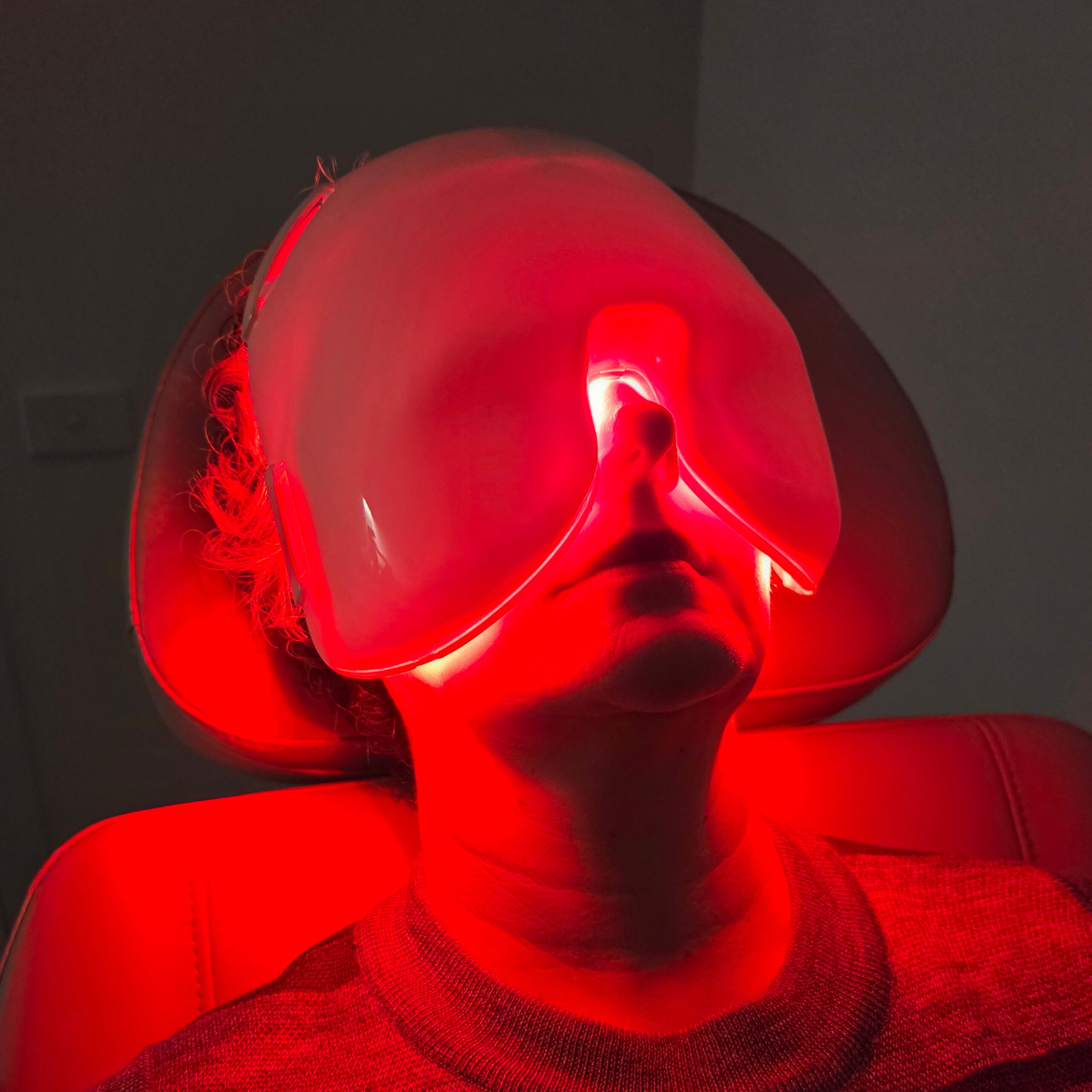
Treating the underlying causes of dry eye disease for improved vision, comfort and eye health.
Low-Level Light Therapy (LLLT), also known as photobiomodulation, is a gentle, non-invasive treatment used to help manage dry eye disease and meibomian gland dysfunction. Therapeutic light is applied to the eyelids to help reduce inflammation, support healthy cellular function and improve the function of the meibomian glands, which produce the oils needed for a stable tear film. LLLT may help improve tear film quality, reduce eyelid inflammation and relieve symptoms such as dryness, irritation and fluctuating vision. Treatment is comfortable, requires no downtime and can be used alone or alongside other dry eye treatments, including IPL and meibomian gland expression.

How does Low-Level Light Therapy work?
Don’t ignore the signs of Dry Eye Disease. Discover the underlying causes and effective treatment options.
Utilises near-infrared photobiomodulation therapy to stimulate cellular metabolism and healing.
Enhances ATP production, providing energy for cellular repair and regeneration.
Reduces inflammation affecting the eyelids, meibomian glands and ocular surface.
Promotes healthier meibomian gland function and improved tear film stability.
Promotes long-term eye comfort and supports overall ocular surface health.
Your Eye Care in 3 Simple Steps
We will explain findings clearly, discuss treatment options, and ensure you’re informed and confident in every step of your eyecare journey.

Comprehensive Consultation
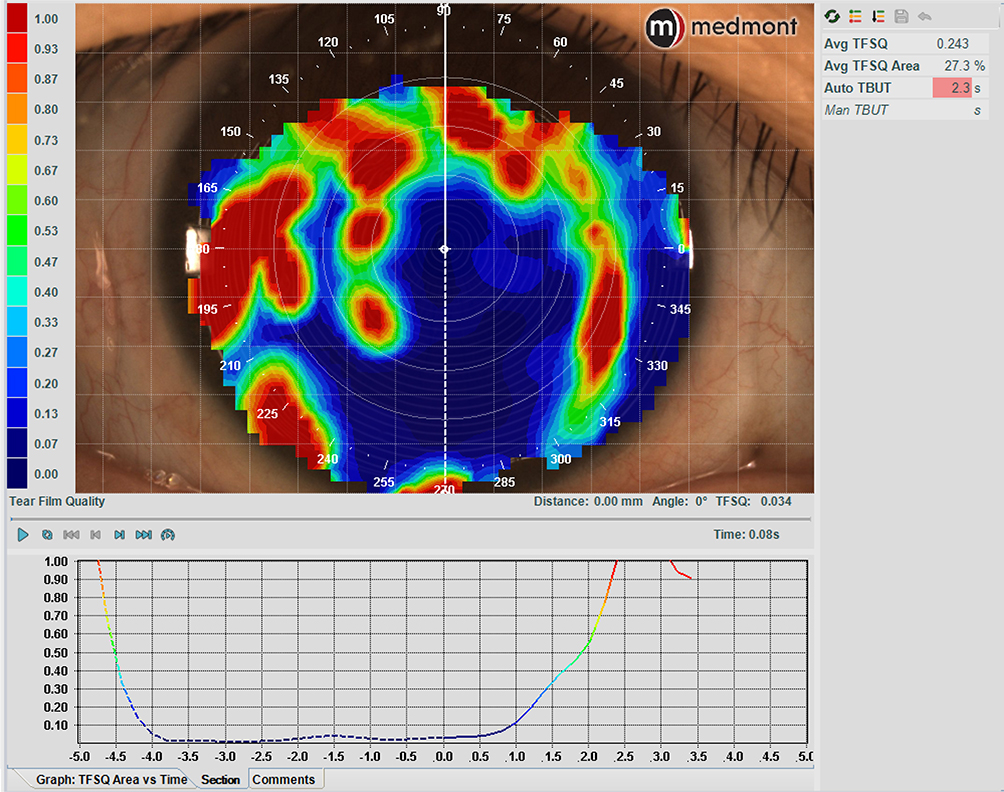
Begin with a thorough eye examination using advanced technology to assess vision and eye health, ensuring early detection of conditions and a deep understanding of your unique visual needs.

Clear Diagnosis and Plan
Receive a precise diagnosis and a tailored management plan. We will explain findings clearly, discuss treatment options, and ensure you’re informed and confident in every step of your eyecare journey.

Personalised Treatment Plan
No two cases of dry eye are the same. We create an individualised treatment plan designed to target the specific causes of your dry eye symptoms and provide lasting relief.

Treat the underlying causes of Dry Eye Disease with Low-Level Light Therapy
Targeted treatment leads to improved comfort, vision and eye health.
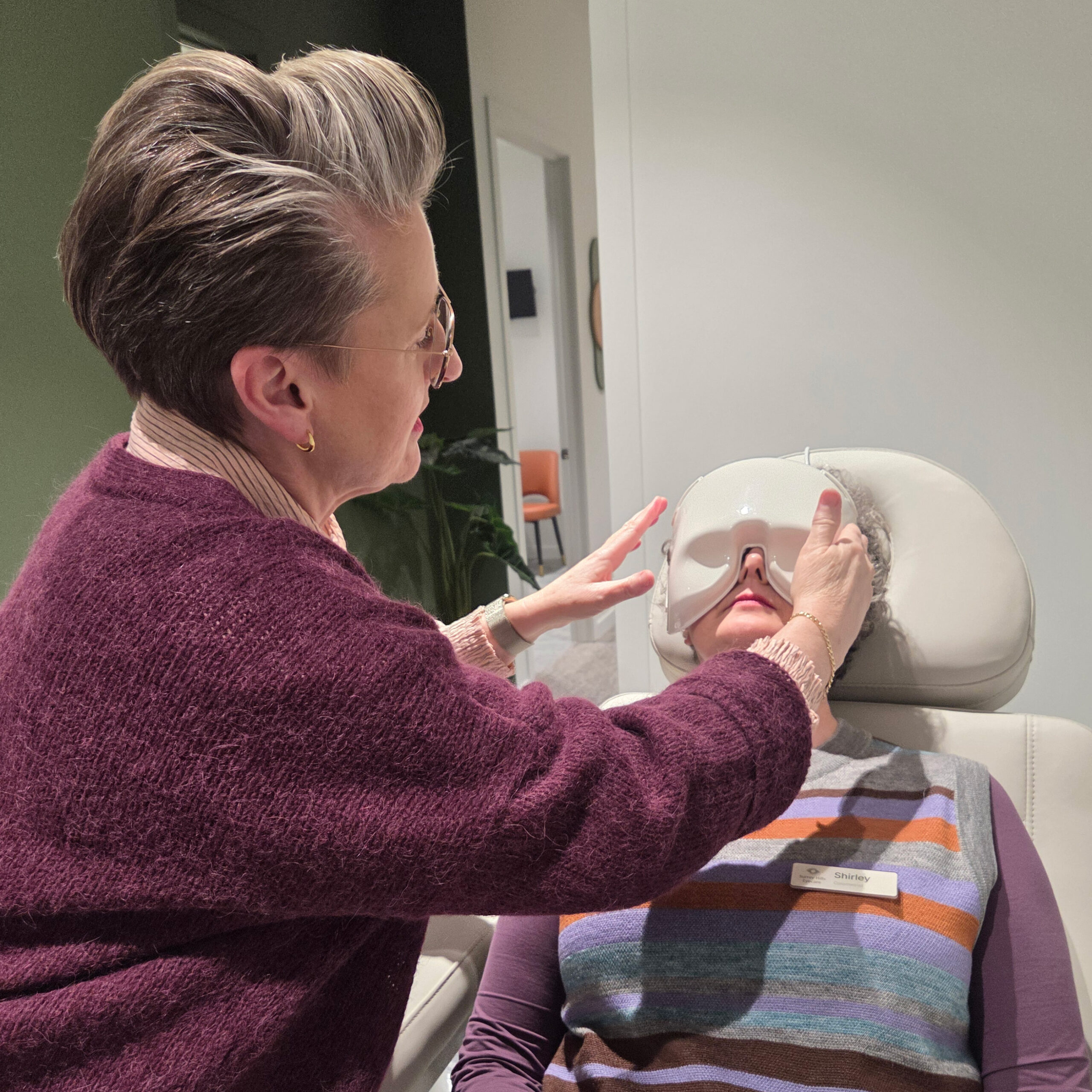
Meibo-mask, using LLLT, is approved by TGA as an effective treatment for Dry Eye Disease.
Photobiomodulation is induced in the cells resulting in improved cellular metabolism and regeneration of damaged cells.
LLLT is effective in the management of chalazia and recurrent styes, including in children.
It is also a simple and effective treatment for blepharitis and demodex.
LLLT is ideal for patients who are unsuitable candidates for IPL treatment.
Specialised Dry Eye Clinic
Targeted relief for irritated, dry, or uncomfortable eyes using tailored diagnostics and treatments.

Blepharitis
Treats eyelid inflammation and irritation to restore comfort and improve daily visual clarity.

Ocular Rosacea
Manages redness, burning, and sensitivity linked to helping restore comfort and eye clarity.

Dry Eye
Relieves dryness, burning, and eye fatigue, ideal for screen users and those in dry environments.
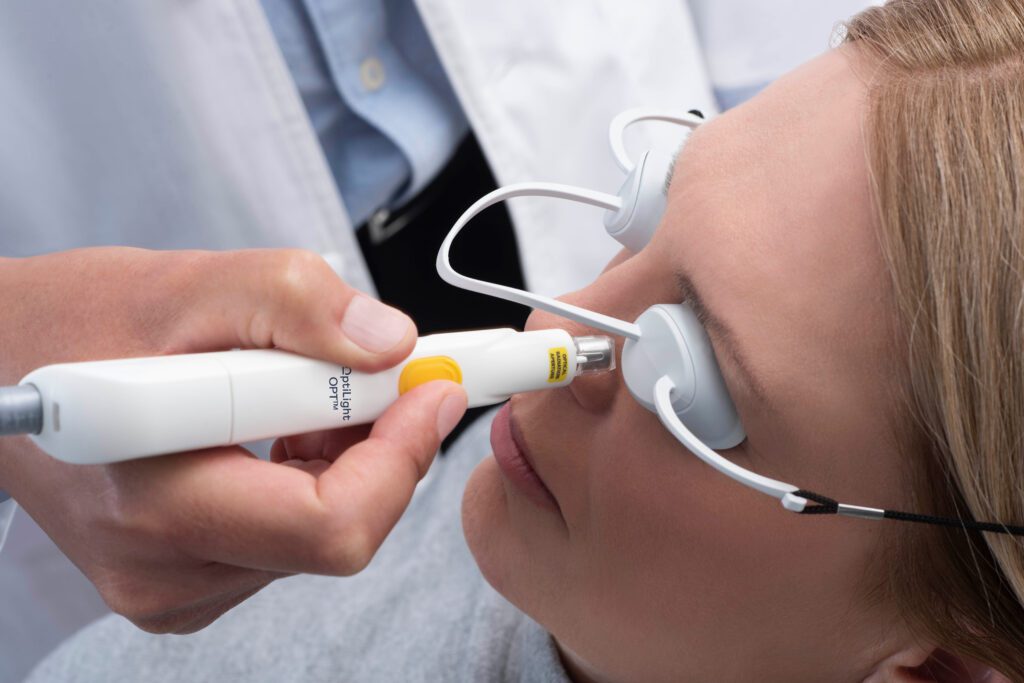
Intense Pulse Light Therapy
A gentle, non-invasive treatment that supports healthier tears and more comfortable eyes every day.