
Neuro-Optometry

Understanding the Connection Between Vision and the Brain

Discover how specialised neuro-optometric care can help address visual symptoms related to concussion, brain injury, dizziness, balance, headaches and reading difficulties.

Learn More
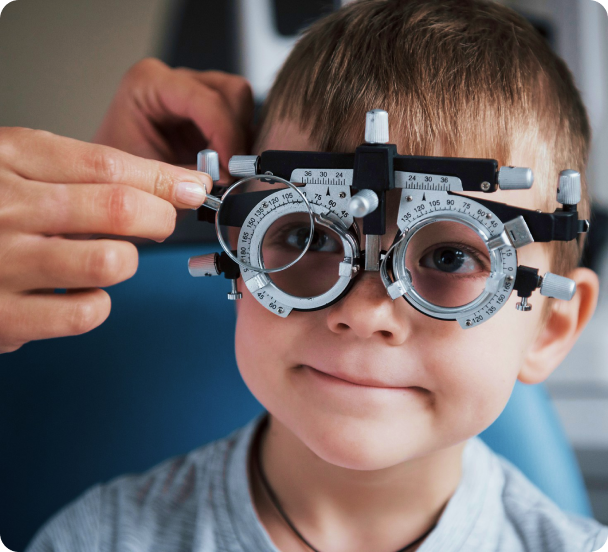
image 2

Improving Visual Function Through Neuro-Optometric Care

Neuro-optometry focuses on the relationship between vision and the brain. Following a concussion, acquired brain injury, stroke or other neurological condition, visual symptoms can occur even when eyesight appears normal. These may include blurred vision, double vision, difficulty reading, headaches, dizziness, poor concentration, balance problems and visual fatigue.

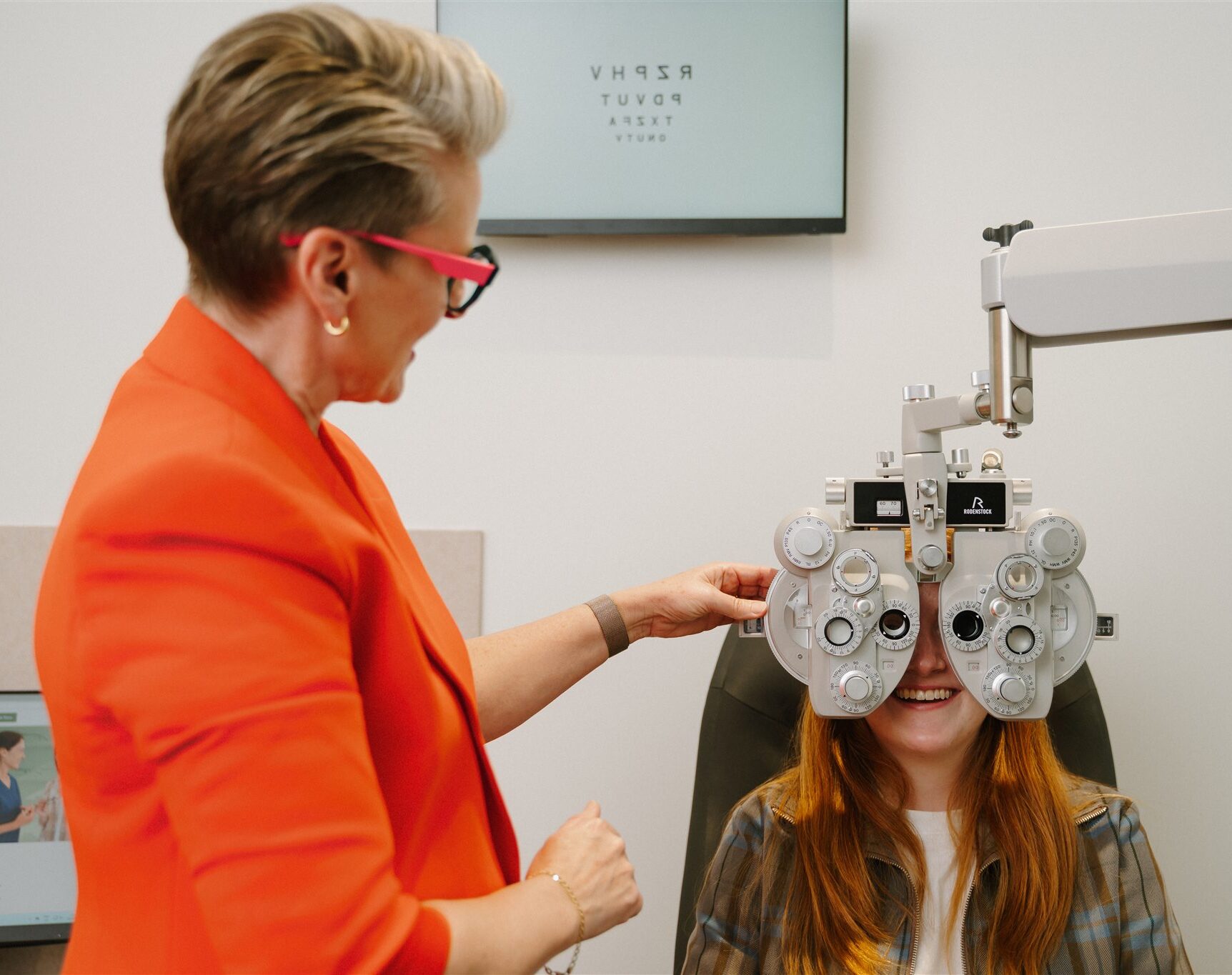
Neuro-optometric assessment evaluates how the eyes move, focus and work together, as well as how visual information is processed by the brain. By identifying visual dysfunction, we can provide targeted management strategies and rehabilitation to improve comfort, function and quality of life.

Who May Benefit from a Neuro-Optometry assessment?

People of all ages can benefit, especially:

People experiencing persistent symptoms following a concussion or mild traumatic brain injury.
Those recovering from stroke or other neurological conditions.
People with dizziness, balance difficulties or motion sensitivity.
Individuals experiencing headaches, eyestrain, double vision or visual fatigue despite a normal eye examination.
People struggling with concentration, visual fatigue or reduced visual comfort during reading, computer work or other sustained near tasks.
image

Your Eye Care in 3 Simple Steps

We will explain findings clearly, discuss treatment options, and ensure you’re informed and confident in every step of your eyecare journey.

Comprehensive Consultation

Begin with a thorough eye examination using advanced technology to assess vision and eye health, ensuring early detection of conditions and a deep understanding of your unique visual needs.

Clear Diagnosis and Plan

Receive a precise diagnosis and a tailored management plan. We will explain findings clearly, discuss treatment options, and ensure you’re informed and confident in every step of your eyecare journey.

Personalised Eyewear Consultation

Experience customised eyewear solutions based on your lifestyle, vision requirements, and ocular biometric data. Our expert team ensures comfort, style, and clarity with frames and lenses tailored just for you.

We are here to support your visual recovery after concussion and brain injury

Support for Clearer, More Comfortable Vision

image

Therapeutic Lenses and Prism Correction

Specialised spectacle lenses, tints and prisms designed to improve visual comfort, eye alignment and spatial awareness.

Vision Therapy

Individualised programs that develop eye movement control, focusing, eye teaming and visual processing skills.

Neuro-Optometric Rehabilitation

Targeted treatment strategies to address visual dysfunction following concussion, stroke or acquired brain injury.

RightEye® Eye Movement Analysis

Objective measurement of eye tracking and visual performance to assist diagnosis and monitor treatment progress.

BTrackS™ Balance Assessment

Computerised balance testing that evaluates postural stability and helps identify vestibular and visual contributions to symptoms.

Specialised Behavioural Eye Assessments

Explore how vision impacts learning, focus, and daily life through tailored assessments

image

Vision Therapy

A personalised program that trains the eyes and brain to work better together improving focus, tracking, and visual coordination.

image

Binocular Vision Dysfunction

We assess how well your eyes work together essential for reducing double vision, eye strain, and improving focus during reading
image

Pattern Glare Sensitivity

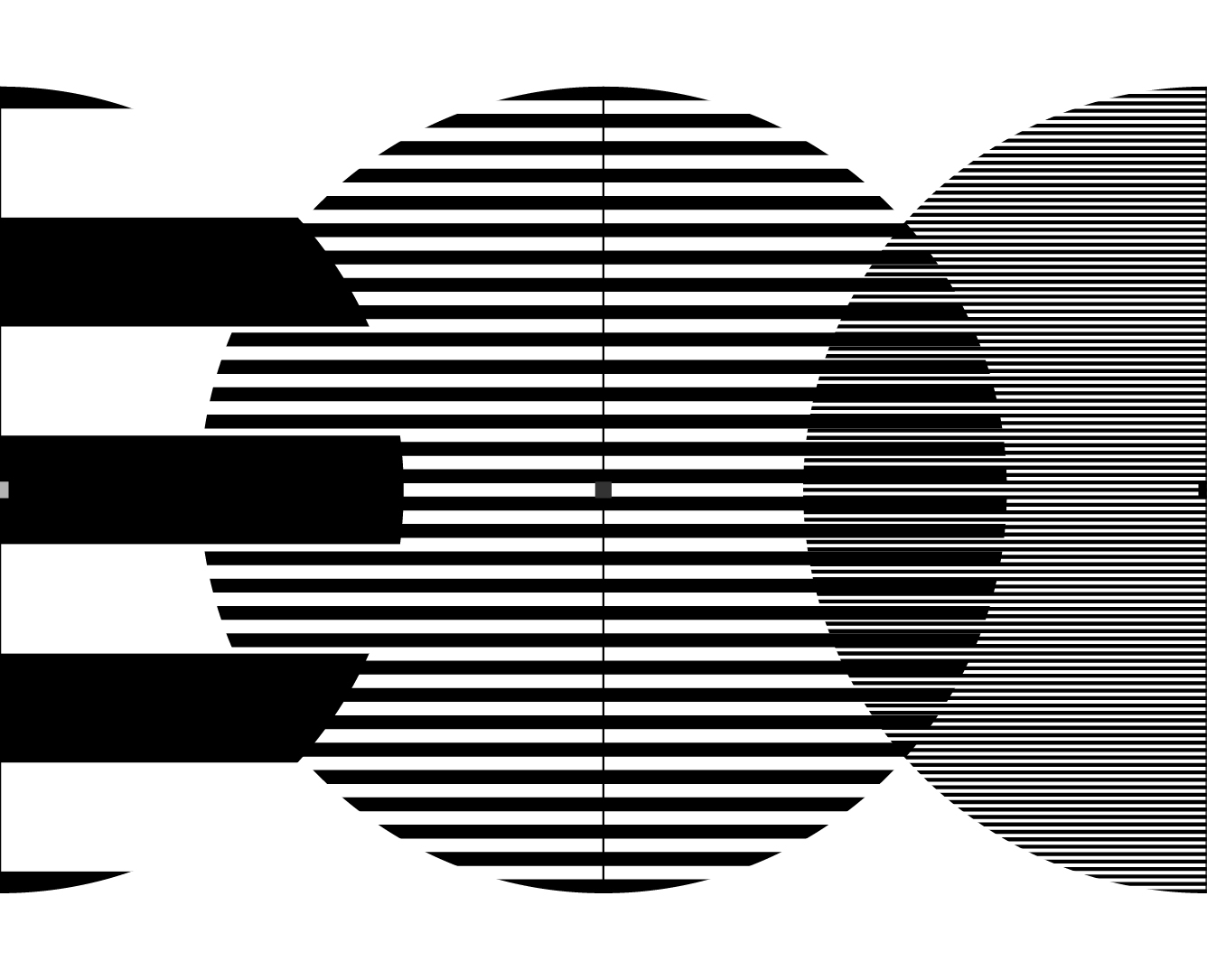
Pattern glare sensitivity can cause visual discomfort and headaches. Special tinted lenses reduce the effect of triggering patterns by improving comfort, focus, and visual performance.

image

Neuro-Optometry

Discover how specialised neuro-optometric care can help address visual symptoms related to concussion, brain injury, dizziness, balance, headaches and reading difficulties.
Frequently Asked Questions

How long should it take to recover from a concussion?

80-90% of people who experience a mild traumatic brain injury will recover spontaneously within 2-4 weeks but that means for 10-20% of people symptoms will persist. This is Post-Concussion Syndrome or Persistent Concussion Symptoms.

How does Post-Concussion Syndrome affect daily living activities?

When concussion symptoms persist beyond the expected recovery period, they can affect many aspects of daily life. For example, people may:
a. Have increased sensitivity to light and sound.
b. Experience fatigue during activities such as reading or computer use, along with slower information processing and reduced comprehension.
c. Have difficulty driving because of slower reaction times, visual symptoms, dizziness, or motion sensitivity.
d. Feel disoriented or overwhelmed in busy environments, leading them to avoid crowded places such as shopping centres, supermarkets or public transport.
e. Experience balance problems, dizziness, or unsteadiness.
f. Be unable to return to their previous level of participation in work, school, sport, or other daily activities.
g. Experience sleep disturbances, increased anxiety, irritability, or changes in mood.
h. Experience persistent headaches.

What happens during a neuro-optometric assessment?

A neuro-optometric assessment is an extension of a comprehensive eye examination. It may include additonal tests such as:
Eye movements and tracking
Eye teaming (binocular vision)
Focusing ability
Depth perception
Balance and visual-vestibular interaction
Visual information processing
Peripheral vision assessment
The findings help determine whether vision is contributing to your symptoms and guide an appropriate treatment plan.
To complete the full scope of assessment, 2 visits are generally required. Some out-of-pocket fees do apply.

What treatments are available?

A range of treatment options may be recommended depending on your symptoms and clinical findings, including:

Therapeutic Lenses – Specialised spectacle lenses, prisms and tints can be prescribed to improve visual comfort, eye alignment and spatial awareness. The most appropriate combination is selected to help reduce visual symptoms and improve everyday function.

Vision Therapy – An individualised treatment programme designed to develop eye movement control, focusing, eye teaming and visual processing skills, helping the visual system work more efficiently.

Neuro-Optometric Rehabilitation – Targeted treatment strategies that address visual dysfunction associated with concussion, stroke and other acquired brain injuries, supporting recovery and improved quality of life.

What is a RightEye® Eye Movement Analysis?

RightEye® is an advanced eye-tracking system that objectively measures how the eyes move, track and work together. Using sophisticated technology, it can detect subtle abnormalities in eye movements that may not be apparent during a standard examination.

RightEye provides valuable insights into visual function and can assist in the assessment of concussion, acquired brain injury, reading difficulties, balance disorders and other neurological conditions. The results help guide diagnosis, monitor recovery and support personalised treatment and rehabilitation strategies.

Eye movement abnormalities are present in a high proportion of patients with post-concussion syndrome and RightEye provides objective, measurable data to track recovery over time.

What is a BTrackS™ Balance Assessment?

BTrackS™ is a sophisticated balance assessment system that provides objective measurement of postural stability and balance function. Using a highly sensitive force plate, the system evaluates how the body maintains balance while standing and can detect subtle deficits that may not be apparent during routine clinical testing.

BTrackS is particularly valuable in the assessment and management of concussion, neurological conditions and fall risk. By providing accurate, measurable data, it helps monitor recovery, guide rehabilitation and support informed clinical decision-making.

When combined with advanced eye movement analysis using RightEye®, BTrackS provides a more comprehensive understanding of how concussion and neurological conditions affect both visual and balance systems.