

PATTERN GLARE & LENS SOLUTIONS
Find Relief from Pattern Glare Sensitivity
Discover the signs of Pattern Glare Sensitivity and how our tailored therapies can help see clearly and comfortably again.
Scroll to Discover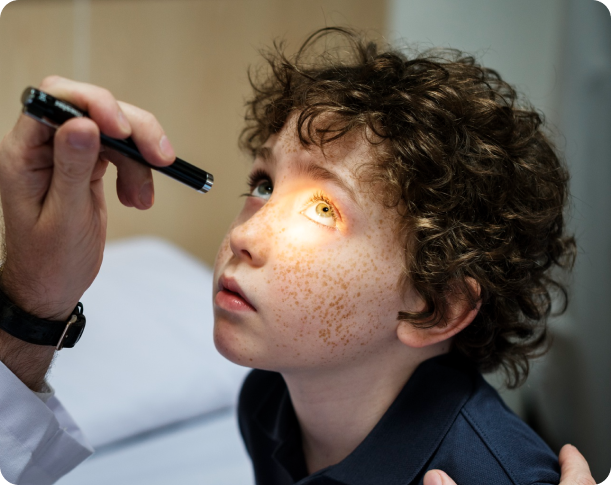
When Patterns Become a Problem for Your Eyes
Pattern glare is a visual sensitivity that occurs when looking at repetitive or high-contrast patterns (such as stripes, particularly lines of text). It can trigger symptoms like headaches, eye strain, visual distortions, and difficulty reading. Pattern glare is often associated with conditions such as migraines, visual stress, and dyslexia.

Who Needs Relief from Pattern Glare?
Treatments aren’t just for kids, adults too can benefit from better visual comfort.
Light sensitivity (discomfort in bright or fluorescent lighting)
People who suffer from migraines that are triggered or worsened by bright lights, repetitive patterns or visual stress.
Individuals recovering from concussion or brain injury who find reading, screen use or visually busy environments overwhelming.
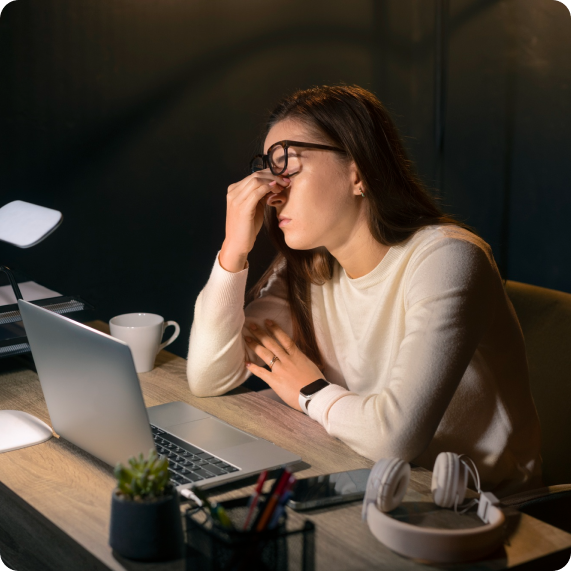
Frequent digital device users who experience headaches, eye strain or visual discomfort when using computers for extended periods.
People who notice visual distortions such as words moving, blurring or shimmering on a page, making reading slow, tiring or uncomfortable.
Your Eye Care in 3 Simple Steps
We will explain findings clearly, discuss treatment options, and ensure you’re informed and confident in every step of your eyecare journey.

Comprehensive Consultation
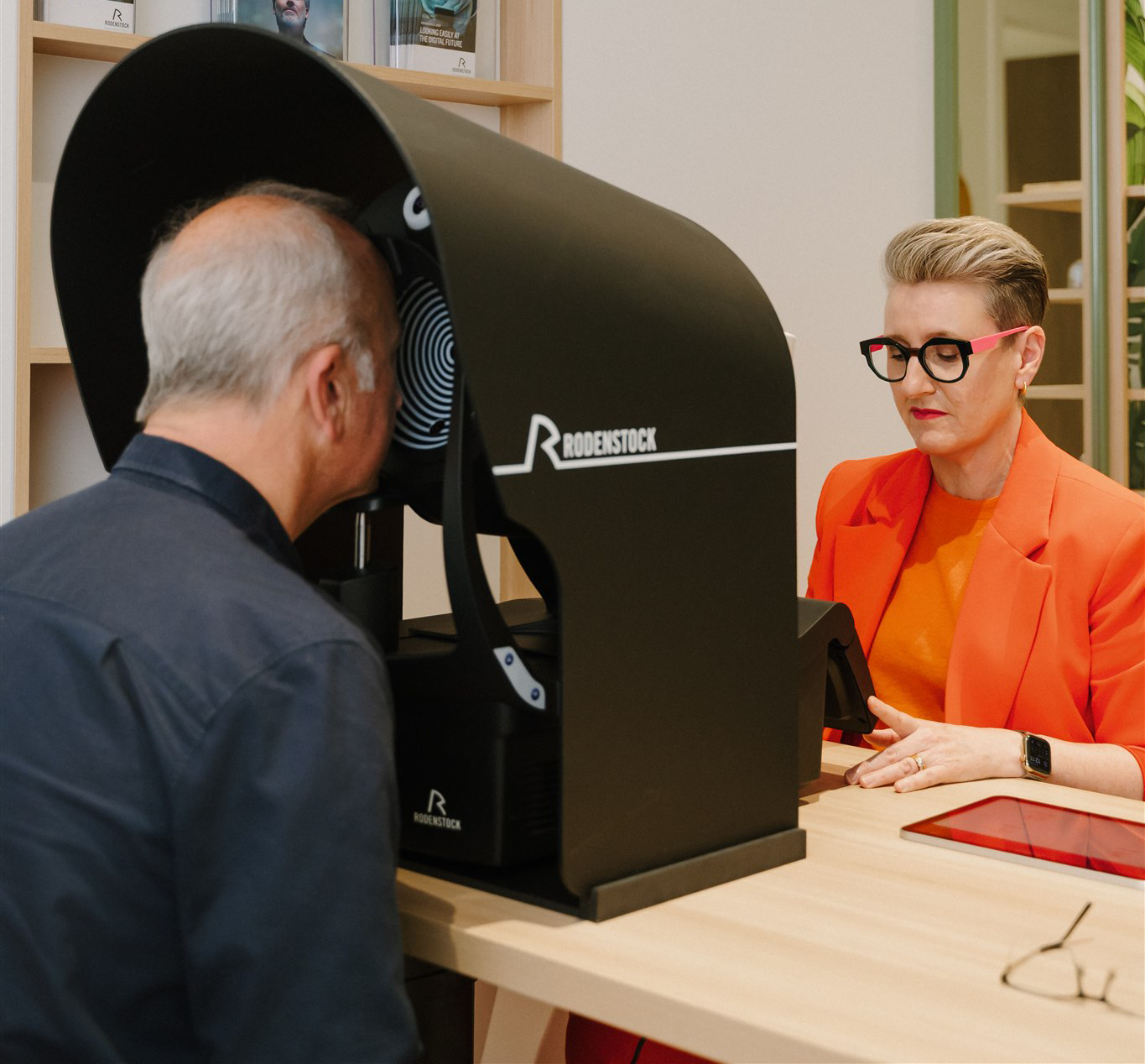
Begin with a thorough eye examination using advanced technology to assess vision and eye health, ensuring early detection of conditions and a deep understanding of your unique visual needs.

Clear Diagnosis and Plan
Receive a precise diagnosis and a tailored management plan. We will explain findings clearly, discuss treatment options, and ensure you’re informed and confident in every step of your eyecare journey.

Personalised Eyewear Consultation
Experience customised eyewear solutions based on your lifestyle, vision requirements, and ocular biometric data. Our expert team ensures comfort, style, and clarity with frames and lenses tailored just for you.
Relieve the Strain, See with Ease
Support for visual stress caused by repetitive patterns, helping you read, focus, and feel better.
Reduce Visual Distortions
Helps minimise shimmering, bending, or blurring of lines and patterns.
Ease Headaches & Eye Strain
Lowers the chance of migraines or fatigue caused by visual stress.
Improve Reading Comfort
Makes it easier to focus on text without discomfort or distraction.
Enhance Visual Clarity
Reduces sensory overload from high-contrast visuals and patterns.
Support with Tinted Lenses
Customised filters for better contrast control and visual balance.
Specialised Behavioural Eye Assessments
Explore how vision impacts learning, focus, and daily life through tailored assessments
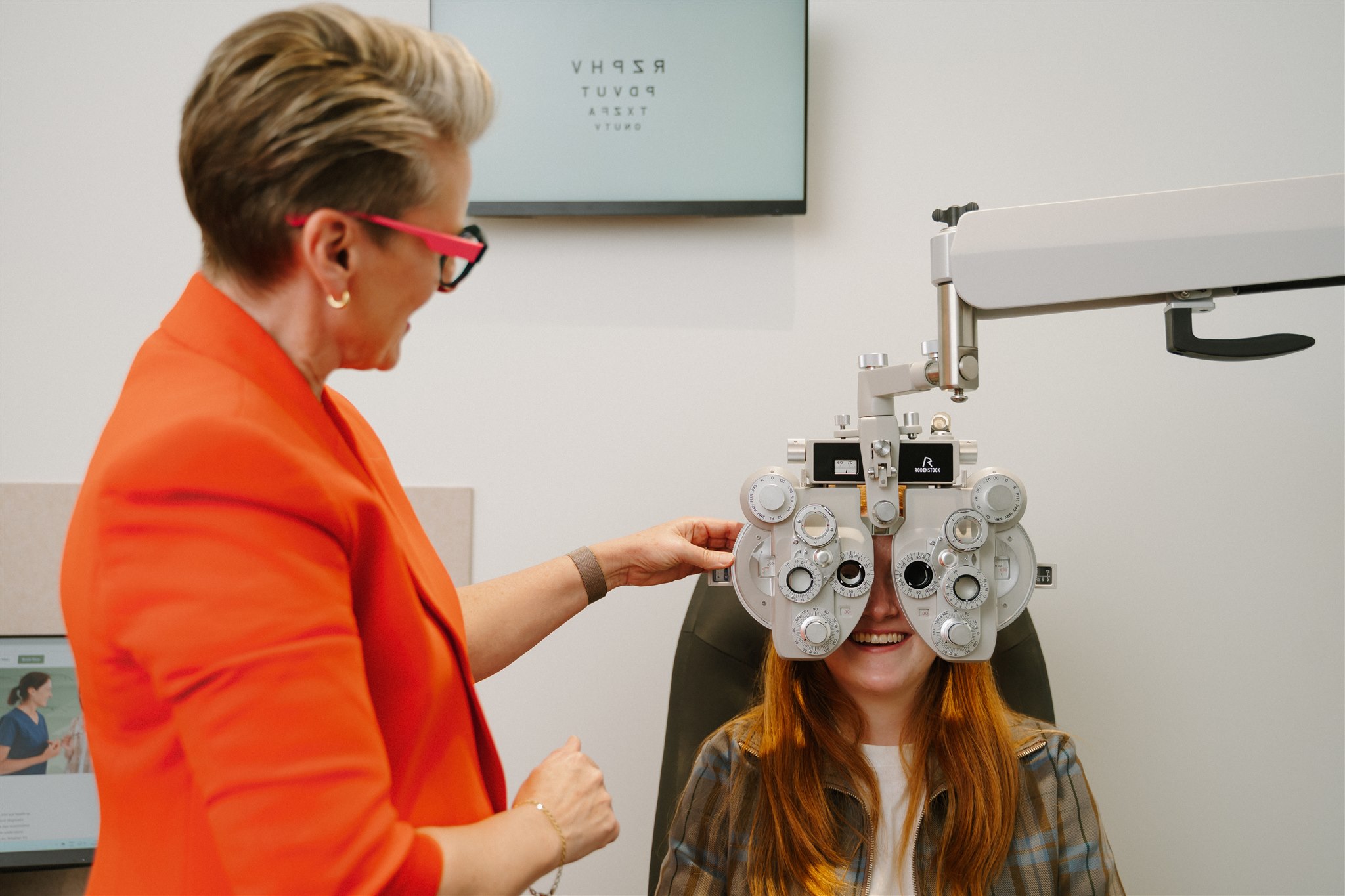
Behavioural Optometry
Looks beyond 20/20 vision to assess how your eyes work together supporting reading, learning, and everyday visual tasks.
Vision Therapy
A personalised program that trains the eyes and brain to work better together improving focus, tracking, and visual coordination.
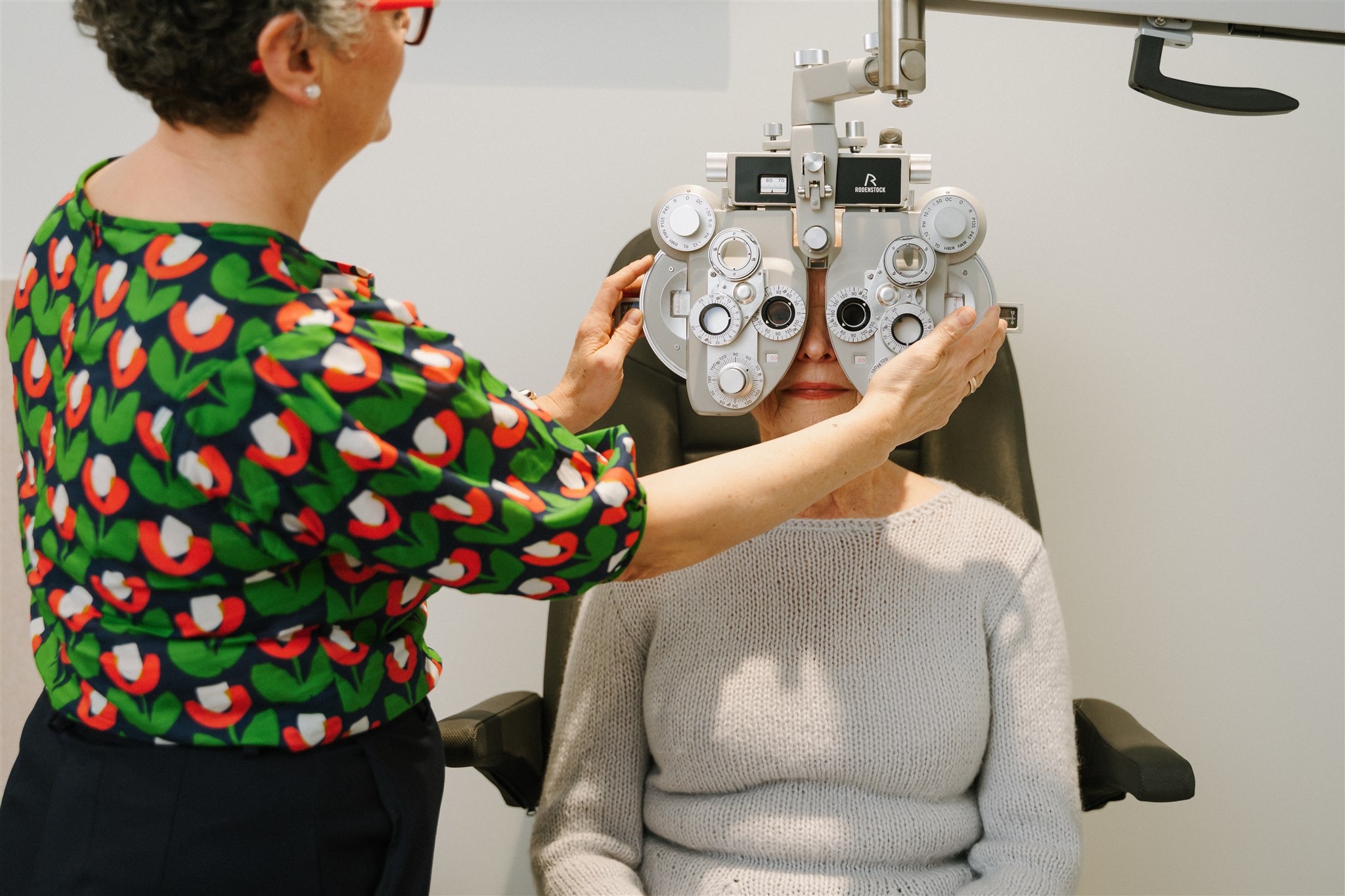
Binocular Vision Dysfunction
We assess how well your eyes work together essential for reducing double vision, eye strain, and improving focus during reading
Neuro-Optometry
Discover how specialised neuro-optometric care can help address visual symptoms related to concussion, brain injury, dizziness, balance, headaches and reading difficulties.